Exchange Rates: 10 Tips For Local And Online Rates
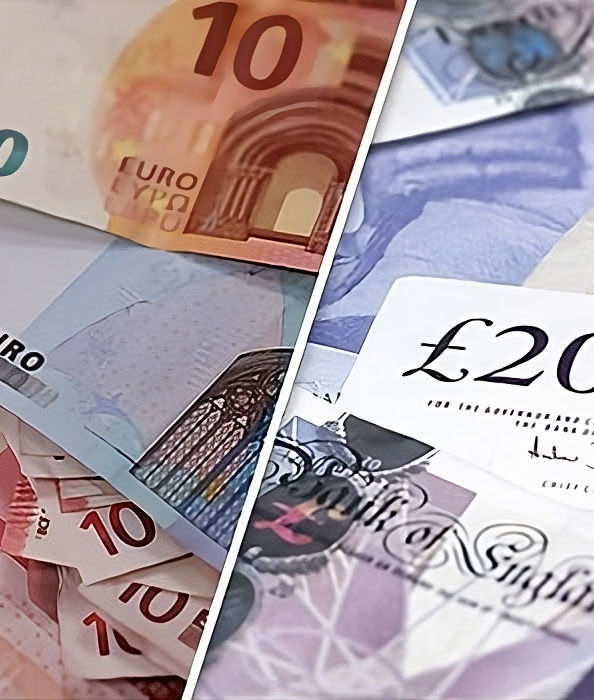
It is vital for travelers or business people, as well as investors to understand the distinctions in exchange rates for currency between online and physical currency exchange outlets. Local rates are the rates provided by currency exchange outlets or banks in your area or at your destination. Online rates are provided by digital platforms or financial institutions to convert currencies. They can be very different and impact the amount you pay to exchange money and the return you earn on your investments. When you fully understand the intricacies of online versus local rates, you will be able to make more informed decisions that save you money while maximizing your financial results. These are the 10 most crucial tips to navigate the local and online rates.
1. Different Rates and Their Differences
Local rates of exchange may differ from rates online, because of overhead costs as well as market conditions. Local exchange providers typically cost more, and have lower exchange rates due to their operating expenses. Online platforms usually have better rates since they are less expensive to run. Knowing these differences helps you select the ideal exchange rate that meets your requirements.
2. Review Exchange Rates before exchanging Currency
– Always compare local and online rates before changing currencies. You can check rates in real-time with currency converters. If you're planning to travel to another country and wish to check the rates provided by local banks or currency exchange booths, check online. This comparison can allow you to identify the most cost effective solution and save money.
3. Utilize Online Currency Exchange Platforms
The online currency exchange platforms such as Wise or Revolut are typically more affordable and have lower rates than local banks. They offer transparent fees and real-time rates. You can get the best exchange rates using these platforms.
4. Be aware of the possibility of dynamic currency conversion (DCC).
If you are making purchases in another country You may be offered the option of paying in the currency of your home country using Dynamic Currency Conversion. While it may be convenient however, it can result in an poor exchange rates and extra charges. Avoid DCC charges by making payments in local currency. Also, you'll benefit from higher exchange rates.
5. Cost isn't the only thing to think about. Think about the cost
If you are deciding between rates offered by local or online consider the convenience versus the costs involved. Local exchanges offer instant access to cash that is useful when travelling. Online exchanges have lower rates, however they require you to open an account and then wait for the transfer of funds. It is important to consider your requirements regarding business travel plans and other transactions before deciding on which method is the best choice for you.
6. Monitor the Exchange Rate Trends
Monitoring trends in exchange rates can assist you in making an informed choice about whether to switch your currency. The internet is often a source of historical data and analysis tools that allow you to monitor changes in exchange rates. Knowing how markets work can help you time your currency exchanges so that you can benefit from the best rates.
7. Review ATM fees and local withdrawal limits.
You may have to pay charges if you decide to withdraw money locally from an ATM. Banks can charge varying fees for international transaction, ATMs also have limit. You can locate ATMs with reduced rates or fees by researching local ATMs prior your travels. This will help you receive the most value on your withdrawals.
8. Free Currency Exchange Service
A few online platforms, as well as banks, offer free conversion of currency for their customers. This could be an excellent option for those who travel frequently or businesses that deal with currency exchange regularly. Setting up an account can allow you to benefit from lower rates and a better service, which will help maximize your cost savings.
9. Consult financial experts for major transactions
If you are dealing with large amounts of money, or exchanges that are complicated seeking advice from financial specialists can be very beneficial. Experts in currency can provide valuable insights regarding how to navigate the local and online exchange rates. This is particularly important to businesses engaged in international trade as well as investors seeking to optimize their exposure to foreign exchange.
10. Make a plan for your currency needs
If you're traveling or doing business, preparing in advance for your currency requirements can save both time and cash. Consider how much currency you'll need during your travels and decide on the best method of exchange. If the exchange rate is not favorable, use an online platform to convert your currency before leaving. You'll receive lower rates and avoid losing funds.
You can make better choices about currency exchange by following these detailed tips. This is the case regardless of whether you're on vacation performing business or managing investments. Understanding the advantages and disadvantages of each method will enable you to make smarter financial decisions that are in line with your goals and ultimately save you money while also enhancing the overall financial strategies. Have a look at the top CAD to USD info for site advice including usd to cad, usd to colombian peso, usd to indian rupees, currency exchange near me, dollar to php peso, usd to euro exchange rate, aud to usd, japanese yen to usd, currency exchange, usd to jpy and more.
Top 10 Tips For Destination Currency And Currency Exchange Rates
Understanding the currency of destination is vital for anyone who wants to travel overseas, conduct international business or invest in foreign markets. The local currency is the one you'll be using when visiting the country or interfacing with the locals. This can influence your financial decisions. Fluctuations in exchange rates, conversion costs and the general economic climate can impact the amount you pay for traveling or the profitability of your business transactions as well as investments will be. You can make better financial decisions and optimize your strategies by familiarizing yourself the currency of your destination. These are the top ten suggestions to handle your destination currency.
1. Before travel, it's essential to study the currency in the country.
Take the time to learn about the local currency. Understand its value relative to your home currency and become familiar with the different denominations of currency. It is easier to manage your budget and avoid overpaying once you know this information. Websites like XE.com offer actual exchange rates in real time and historical data that allows you to determine how much your cash will be worth abroad.
2. Check exchange rates prior to your travel
– Exchange rates can change dramatically in the course of time. Monitoring these fluctuations can help you determine the best time to exchange your money. Set up alerts to inform that you receive a notification when rates for exchange are favorable by using tools and apps for tracking currency. You might want to exchange funds sooner in the event you observe an upward trend in currency.
3. Currency Conversion Costs to Consider
The charges charged by banks, exchange services and ATMs for conversion of currency could vary greatly. Be aware of the costs that are associated with changing your home currency to the currency you wish to use and these costs can be costly to your budget. Check rates from different providers and take advantage of websites that have less fees and lower exchange rates.
4. Use local currency for transactions
Paying in your home currency is not the ideal choice when making purchases overseas. If you choose to pay using your home currency, it will often result in a dynamic currency converter (DCC) which will cost you more charges and less favorable exchange rates. You can benefit from better exchange rates when you pay using your local currency.
5. Plan to meet cash needs in advance
Although credit and debit cards are used widely in a variety of countries, it's essential to have some cash in your wallet for small expenses or tips. There may be times when you require cash at places that don't accept credit cards. If you plan to use ATMs overseas be sure to research fees and withdrawal limits. You may want to withdraw a substantial amount of cash at once in order minimize transaction fees. Local currency is a great method to enhance your travel experience.
6. Know Local Payments Preferences
Different countries have different preferences for payment methods. Certain countries are heavily influenced by cash, whereas others rely heavily on credit cards and digital payments. Discover the local payment culture to find out what's most well-known. This will assist you in planning payment methods and make sure you are equipped to make transactions smoothly.
7. Be aware of the risks associated with currency for business
– If you are conducting business in a different country Be aware of risk to your currency if there are changes in exchange rates. A sudden change in the value of the destination currency can impact profit margins and overall financial performance. To reduce the risk of currency fluctuations, consider using hedging methods for example, future contracts to lock-in exchange rates.
8. Make a note of the money you spend
– Be aware of your spending in the currency you are using to travel is vital to ensure you stay within your budget while traveling. You can track your expenditures in local currency using applications that can help you budget or keeping precise records of purchases. This will allow you to not overspend and ensure that you are able to fund the duration of your trip.
9. Financial Regulations: What You Have to Know
Each country has its own rules regarding currency exchange, cash transaction and reporting obligations. To avoid legal problems while travelling or doing business be aware of the rules. It is possible that certain countries have restrictions on how much cash you are able to carry into and out of their borders, or require you to report large purchases. It is possible to navigate these rules more easily if you are well-informed.
10. Consult Currency Experts before Investing
If you're looking to track the performance of your foreign investments, consult with currency experts or international financial experts. They can provide valuable insights into the impact that the fluctuations in currencies will impact your investments and they can also assist you in devising strategies to minimize the risk of currency fluctuations. Their experience can be helpful in navigating the complex world of the currencies that you will be using, as well as optimizing financial outcomes.
With these helpful guidelines for managing currency of your destination You can make sense of the complexities of traveling for business, conducting business, and evaluating investments more efficiently. Understanding destination currency implications will allow you to make smarter financial choices that align with the objectives of your business and your personal life. Have a look at the top rated eur huf examples for more recommendations including usd to indian rupees, usd to euro exchange rate, dollar to inr, dinar guru, usd to peso, currency exchange, aud to usd, 1 usd to inr, won to usd, us dollar to mexican peso and more.